Guides and resources
How long does selling a probate property take, step by step?
Selling a probate property normally takes 6 to 12 months from death to completion. You cannot exchange contracts until the grant of probate is issued, and the grant itself is only one stage. Valuation, the application, the wait for the grant, and then the sale each add time, and a property in poor repair adds more.
When someone dies leaving a property, that property becomes part of their estate and goes through probate with everything else. For most families it is the part that takes longest and causes the most uncertainty, who owns it now, what it is worth, whether it can be sold, and when.
The process
What actually happens, and in what order?
Seven stages, from registering the death to distributing what is left. Most of the waiting happens in the first three; most of the decisions happen in the last four.
The property runs through all of them. It has to be valued before the grant can be applied for, insured and maintained while the application sits with the registry, and then either sold or transferred once the grant arrives.
Step by step
What are the seven stages of the probate process?
What happens first, before probate is applied for?
The process starts once the death has been registered and the will located. The will normally names the executor, who becomes responsible for administering the estate, including any property.
Where there is no will, a close relative applies for letters of administration instead and takes the same role under the intestacy rules.
How are the estate and the property valued?
Before the grant can be applied for, the executor has to identify and value what the estate holds.
Where that includes a property, one figure is often asked to do three separate jobs, which is how estates end up either overpaying tax or underselling the house. A valuation may be used for:
- probate documentation
- inheritance tax calculations
- determining the estate’s total value
How does an executor apply for probate?
The executor applies to the probate registry, submitting details of the estate’s assets and liabilities. Where inheritance tax is due, it generally has to be reported, and usually paid, before the grant is issued.
Once the grant arrives, the executor has legal authority to deal with the estate’s assets, including transferring ownership of the property.
Who looks after the property while probate runs?
The executor, throughout, and the estate pays for all of it. Every month the property stands empty it is paying insurance, eventually council tax, and upkeep.
The responsibilities usually include:
- insuring it as an unoccupied property
- keeping it secure
- keeping the utilities on
- maintaining it so it does not deteriorate
Should the property be sold, transferred or kept?
Once the grant is issued there is a real decision to make, and what fits depends on the estate’s finances, the condition of the property, and what the beneficiaries want.
The options are:
- selling it
- transferring ownership to the beneficiaries
- renting it out
- keeping it as an investment
How is the property actually sold?
If the decision is to sell, three routes are available, and they trade price against certainty in different directions.
Once an offer is accepted, conveyancing, exchange and completion follow as they would on any sale, except that nothing can complete before the grant is in hand.
- an estate agent
- a property auction
- a direct buyer
What happens to the money afterwards?
The proceeds go into the estate, not straight to beneficiaries. The executor settles debts, taxes and the costs of administration first, then distributes what remains according to the will, or the intestacy rules where there is none.
Executors normally wait for the statutory notice periods to expire before distributing, because distributing early can leave them personally exposed to a later claim.
Timing
What decides how long the whole process takes?
Four things move the timeline more than anything else.
- How complex the estate is
Several properties, business assets, overseas holdings or an unclear asset list all extend the application and the valuation work behind it.
- Whether inheritance tax is due
Where tax is payable it generally has to be reported, and usually paid, before the grant is issued. That sequencing is the single most common cause of a long wait.
- Getting the property valued
A probate valuation, an inheritance tax figure and a realistic market price are three different numbers, and executors often need more than one professional opinion.
- Whether beneficiaries agree
A disagreement about whether to sell does not stop the executor acting, but in practice it stops progress until it is resolved.
Common problems
What usually goes wrong during probate?
Most of these are predictable, which means most can be planned around rather than reacted to.
- Keeping a vacant home safe
Standard insurance usually restricts cover after 30 to 60 days unoccupied, so the property needs specialist cover, plus heating, security and enough upkeep to stop it deteriorating.
- Beneficiaries who disagree
One wants a quick sale, another wants to hold out, a third wants to keep it. The executor still has to act for the estate as a whole and be able to justify the decision.
- Knowing what you are liable for
Executors can be personally liable for loss caused by mismanaging estate assets. Leaving a house uninsured or unsecured is a risk to the executor, not only to the estate.
- A property that needs work
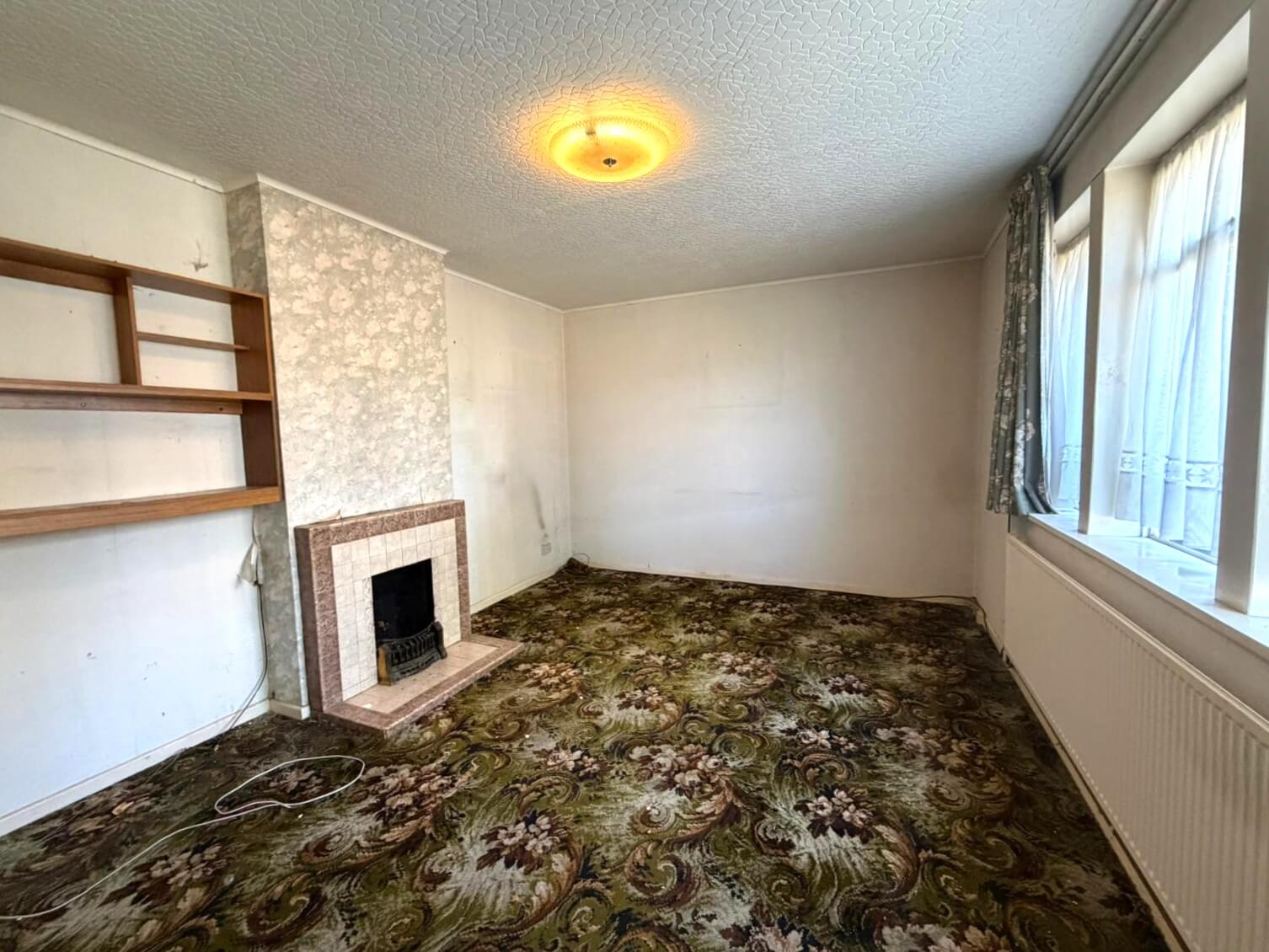
Renovation spends estate money up front with no guaranteed return, and disrepair narrows the pool of buyers who can get a mortgage on it.
Start with a checklist
Is there a checklist to work from?
There is so much to think about at the start that the order gets lost. This is a free checklist of everything an executor needs to consider, so nothing is missed while you work out what to do about the property.
Open the executor’s checklistSeven phases, around 120 actions. Or download the PDF.
Read next
Where can you read more about each stage?
Stage 3 is where inheritance tax decides the timeline, and the inheritance tax calculator estimates whether the estate is likely to owe any. For stage 6, the pros and cons of each way to sell compares the three routes in detail.
Questions
What do executors ask most about this process?
Can a property be sold before probate is granted?
It can be marketed, valued and agreed, but it cannot complete. Ownership has no legal route to transfer until the grant is issued, so a buyer should be told the sale depends on it.
Who is responsible for maintaining probate property?
The executor, with the estate paying. That covers insurance, security, utilities and enough maintenance to prevent deterioration while the estate is administered.
What happens if beneficiaries disagree about selling?
The executor keeps the authority to act, but pushing through a genuine dispute rarely ends well. Mediation is usually faster and cheaper than a contested application, and independent advice protects the executor too.
No obligation
Do you need help with the probate property process?
If you are partway through this and unsure what comes next, tell us the postcode and roughly where you have got to. We will explain the options, including the ones that do not involve selling to us.
Talk through your options